Figma
FigJam
B2B | Internal Banking Tool
An internal bank platform was needed to enable staff to quickly search for and retrieve information about customers. Its purpose was to keep track of all interactions between the user and the bank, as well as their current status.
Role
Designer
Field
Banking
Were I started
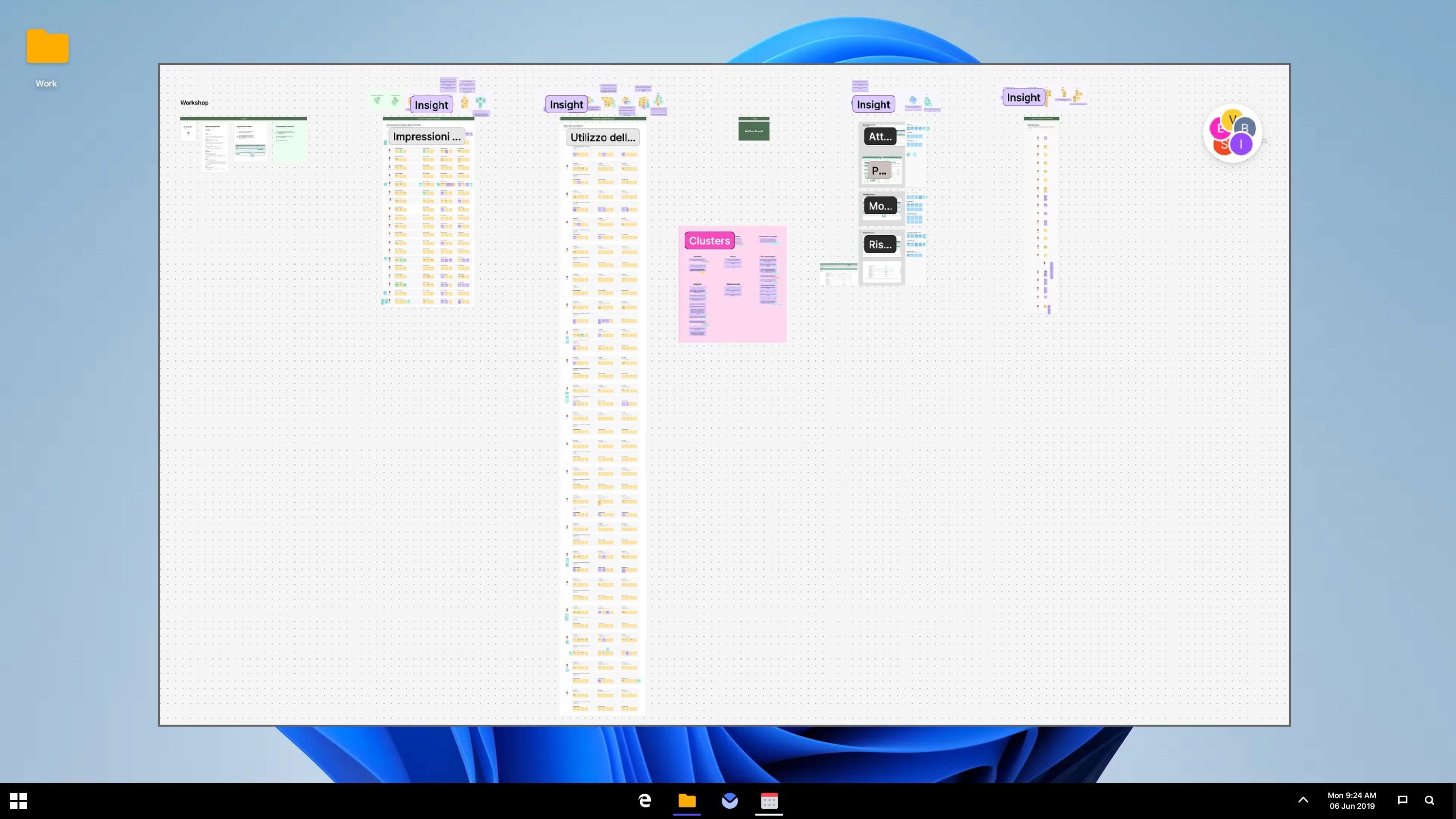
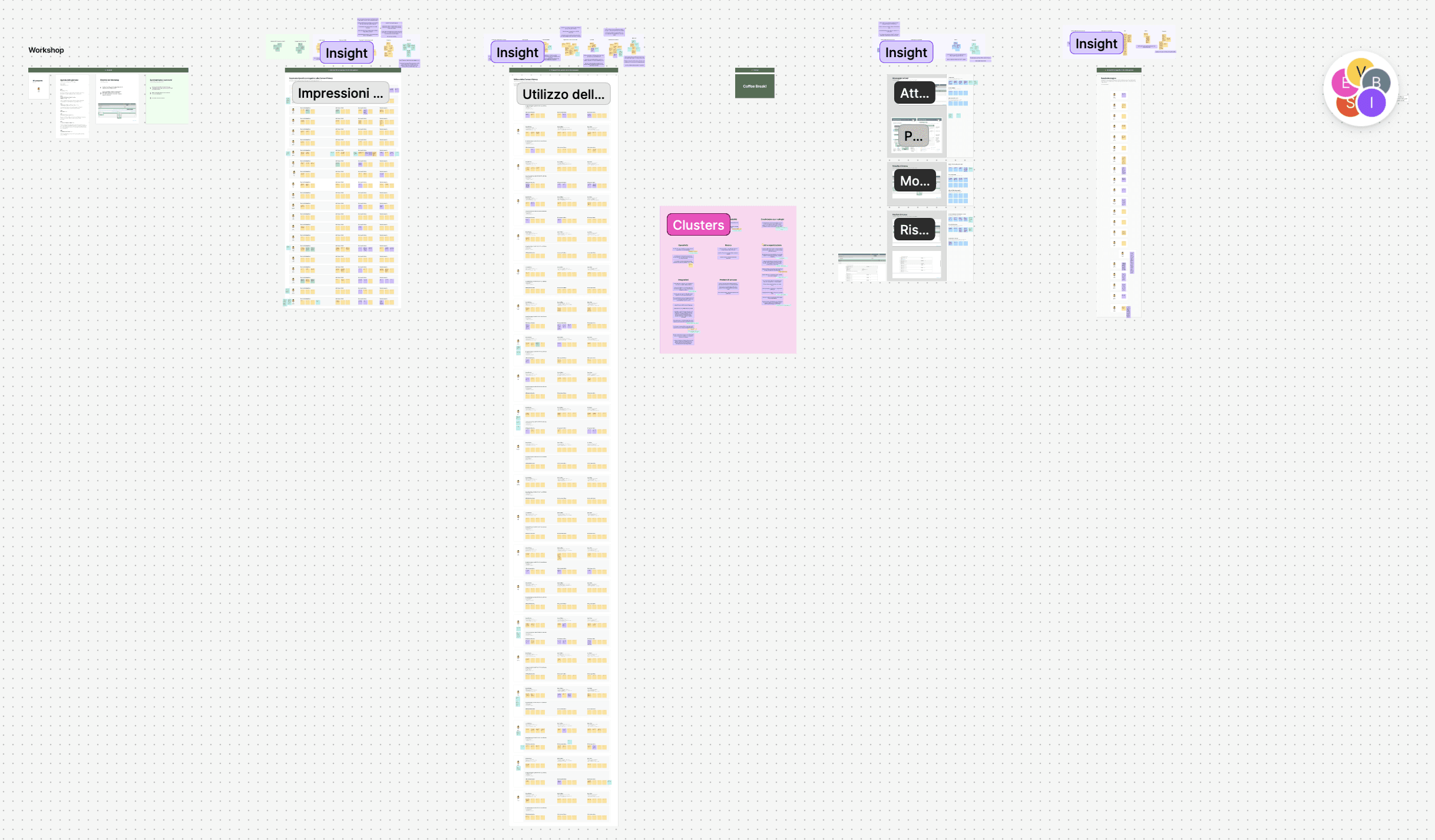
Through meetings with users and workshops with administrators, I set out to investigate and act on their feedback regarding the application, identifying what worked, what didn’t, and what they actually needed.
Problems
An internal bank platform was intended to meet the need to quickly search for and retrieve information about customers.
However, the tool often failed to work and the access points were cumbersome: account managers had no official way of searching for information but had to rely on manually exchanging ticket numbers and the data returned were confusing, being split into three different lists difficult to navigate.
An internal bank platform was intended to meet the need to quickly search for and retrieve information about customers.
However, the tool often failed to work and the access points were cumbersome: account managers had no official way of searching for information but had to rely on manually exchanging ticket numbers and the data returned were confusing, being split into three different lists difficult to navigate.
Where I started
Through meetings with users and workshops with administrators, I set out to investigate and act on their feedback regarding the application, identifying what worked, what didn’t, and what they actually needed.
I have compiled all the information that emerged from the workshop, grouping it into clusters, in order to establish a clear and precise direction that all stakeholders can agree on.

Solutions
The insights led me to design a streamlined application, featuring a search function tailored to the managers’ actual needs, providing a single list of results that can be filtered and browsed, and adapting it to a new back-end that allows for future implementations with minimal cost effort.
I also designed different entry points to ensure quick access to the tool and reduce waiting times for users.
The insights led me to design a streamlined application, featuring a search function tailored to the managers’ actual needs, providing a single list of results that can be filtered and browsed, and adapting it to a new back-end that allows for future implementations with minimal cost effort.
I also designed different entry points to ensure quick access to the tool and reduce waiting times for users.
What I shipped
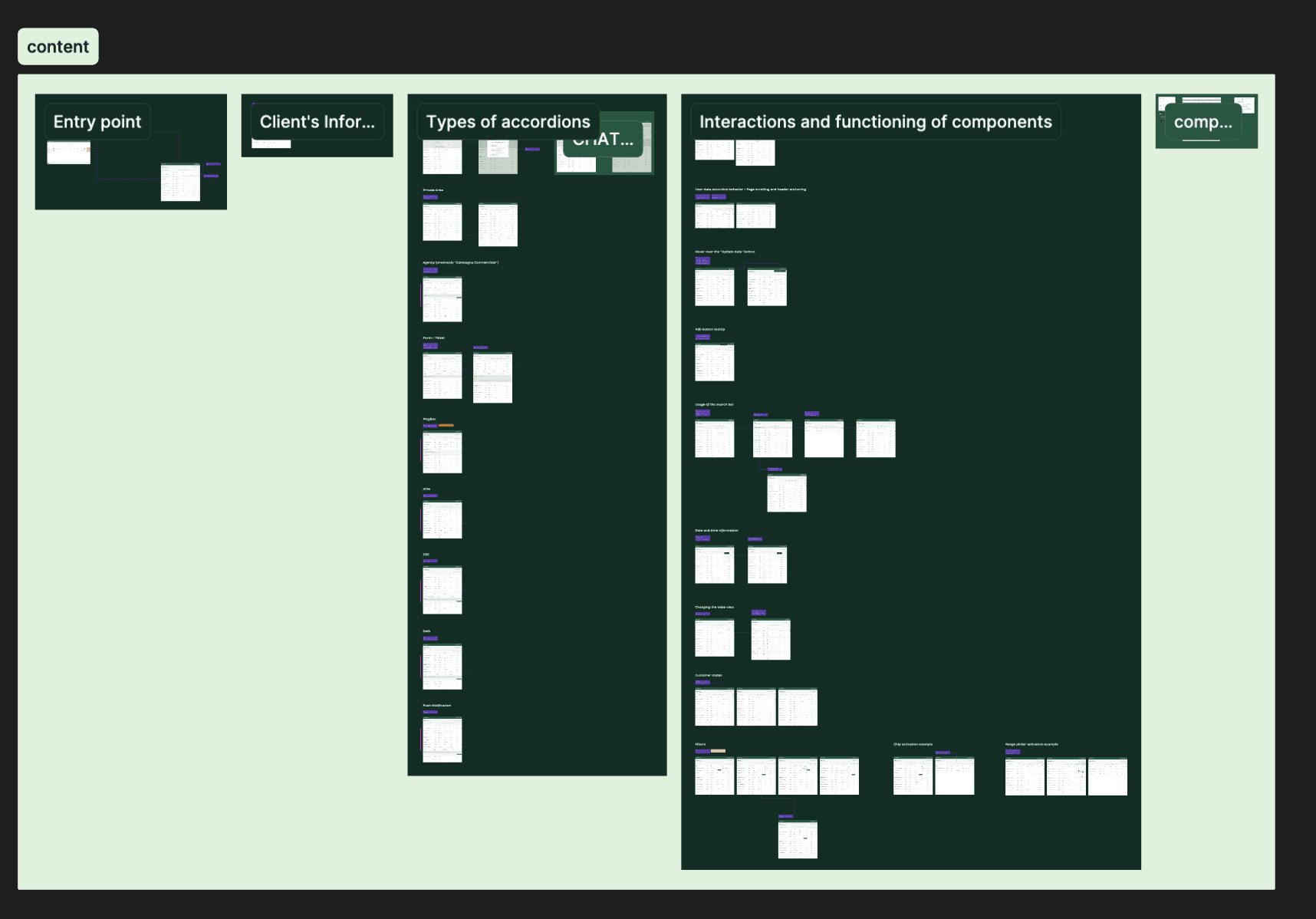
The result was a completely new product, based on a new modular back-end architecture and tailored usage, which reduced friction for users and improved response times for customers.
Were I started
Through meetings with users and workshops with administrators, I set out to investigate and act on their feedback regarding the application, identifying what worked, what didn’t, and what they actually needed.
I have compiled all the information that emerged from the workshop, grouping it into clusters, in order to establish a clear and precise direction that all stakeholders can agree on.
I have compiled all the information that emerged from the workshop, grouping it into clusters, in order to establish a clear and precise direction that all stakeholders can agree on.
What I shipped
The result was a completely new product, based on a new modular back-end architecture and tailored usage, which reduced friction for users and improved response times for customers.
What I shipped
The result was a completely new product, based on a new modular back-end architecture and tailored usage, which reduced friction for users and improved response times for customers.
Figma
FigJam
B2B | Internal Banking Tool
An internal bank platform was needed to enable staff to quickly search for and retrieve information about customers. Its purpose was to keep track of all interactions between the user and the bank, as well as their current status.
Role
Designer
Field
Banking